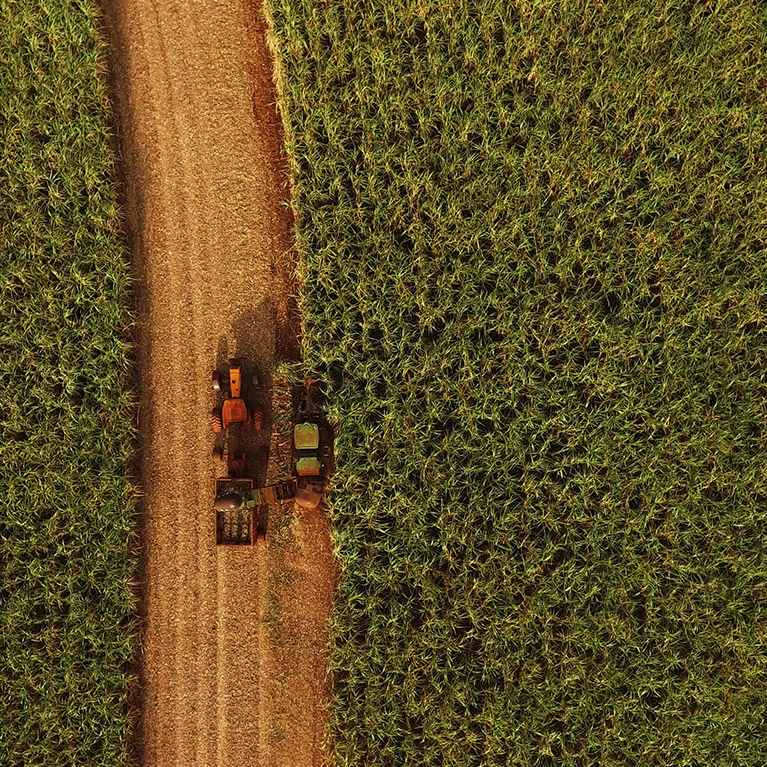
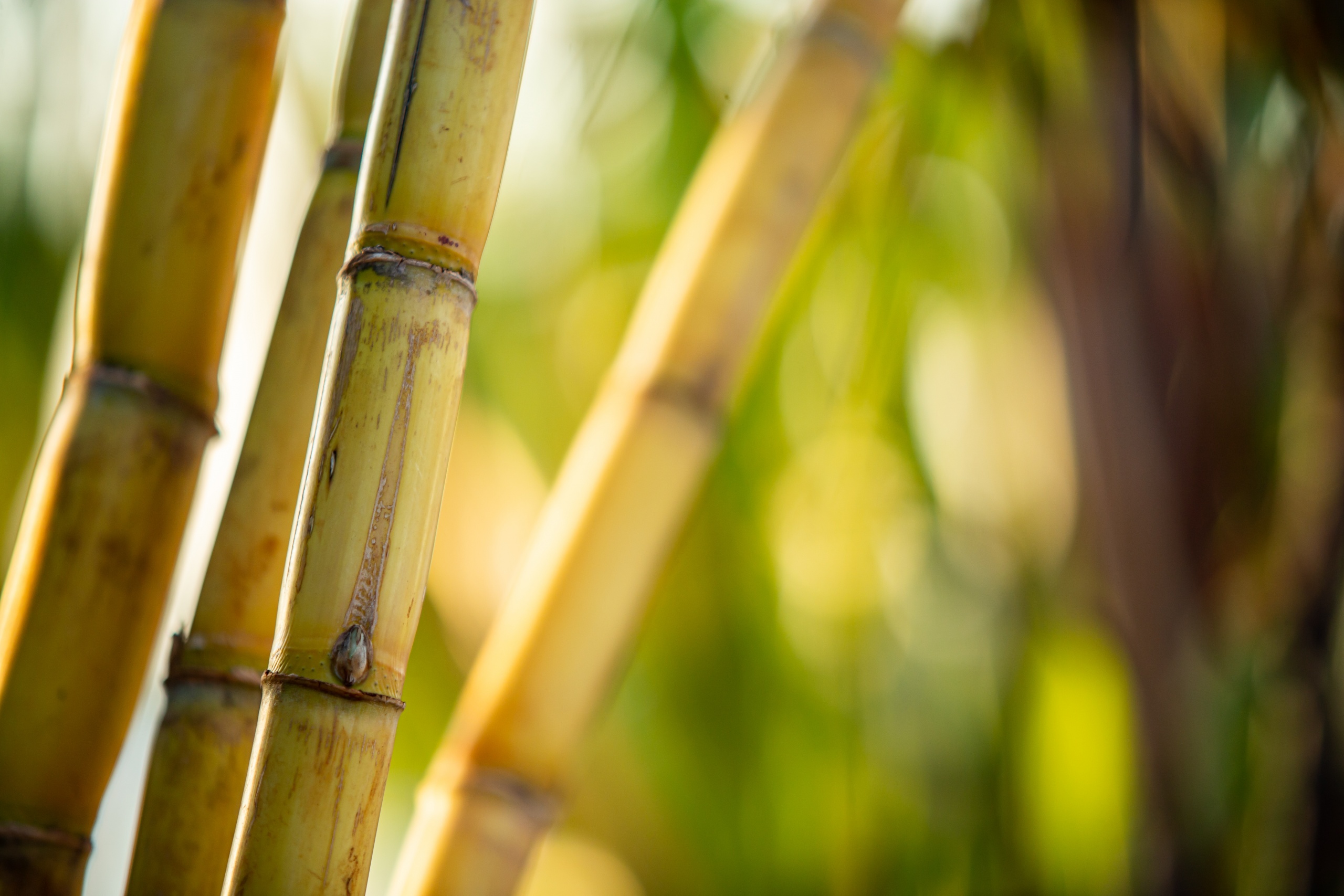
Sugarcane can be used to produce a wide range of products, enabling producing countries to become more economically resilient while simultaneously contributing to food security and the clean energy transition. Brazil, among the world’s foremost sugarcane producers, illustrates how this crop can transcend sugar production, offering also social and environmental gains.
Throughout history, Brazil has established itself as the world’s largest producer and exporter of sugar. In 2024/2025 harvest season, the country produced approximately 43.9 million tons of sugar and exported it to more than 100 countries worldwide. However, during the 20th century, Brazil recognized another major opportunity offered by sugarcane: bioenergy production. As a result, the country became the world’s second-largest producer of ethanol. Brazil is also the only country in the world where E100 ethanol is widely available to consumers at gas stations, while having nearly 80% of its light-duty vehicle fleet running on renewable energy.
In Brazil, the use of ethanol is well established and dates back to 1931, when the first blends of biofuel were introduced into gasoline. Since then, a set of supportive and well-structured public policies—such as Proálcool, RenovaBio, and the Fuel of the Future bill—has helped create both supply and demand while fostering continuous technological advancement. A major breakthrough occurred in 2003 with the introduction of flex-fuel vehicles, which can operate on any blend of gasoline and ethanol.
Sugarcane ethanol can reduce CO₂ emissions by up to 90% compared to fossil fuels, and since 2003 its use has prevented more than 730 million tons of CO₂ from being released into the atmosphere.
Moreover, the widespread adoption of ethanol in the country has reinforced the social and economic importance of the sugarcane sector. It has contributed to increases in GDP per capita in regions where sugarcane is cultivated, while also reducing dependence on fuel imports and strengthening national energy security.
Another key feature of Brazil’s experience is sustainability. Through the adoption of agricultural best practices—such as crop rotation, fertigation, smart land use, biological pest control, and no-till farming— sugarcane demonstrates that it is possible to simultaneously address food security and climate goals. In addition, by embracing a circular economy approach and reintegrating production residues into the system, the sector has increased efficiency while significantly reducing carbon emissions.
From a global perspective, for sugar-producing countries in tropical regions, ethanol represents a powerful economic opportunity that can enhance stability at a time when global sugar prices are low and highly volatile. These countries can reduce their dependence on the fluctuating sugar market and create a reliable alternative source of income. Ethanol production not only helps stabilize revenues for producers but also strengthens national economies by adding value to agricultural output, creating jobs, and promoting energy independence.
The future is low-carbon, and Brazil is ready to collaborate with other nations by providing not only sugar but also bioenergy to support cleaner transportation. Moreover, Brazil’s experience can help other countries adopt best practices, develop technologies, and expand the range of sugarcane-derived products— strengthening economic sovereignty, adaptability, and social advancement. This moment of transition offers the world a unique opportunity for energy integration in the Global South, with benefits that extend to both present and future generations.