Sustainable biofuels are emerging as an important part of the global effort to decarbonize transport — including the maritime sector. While biofuels have been used for decades in land transportation to help reduce carbon emissions, their potential as marine fuels is attracting growing international attention.
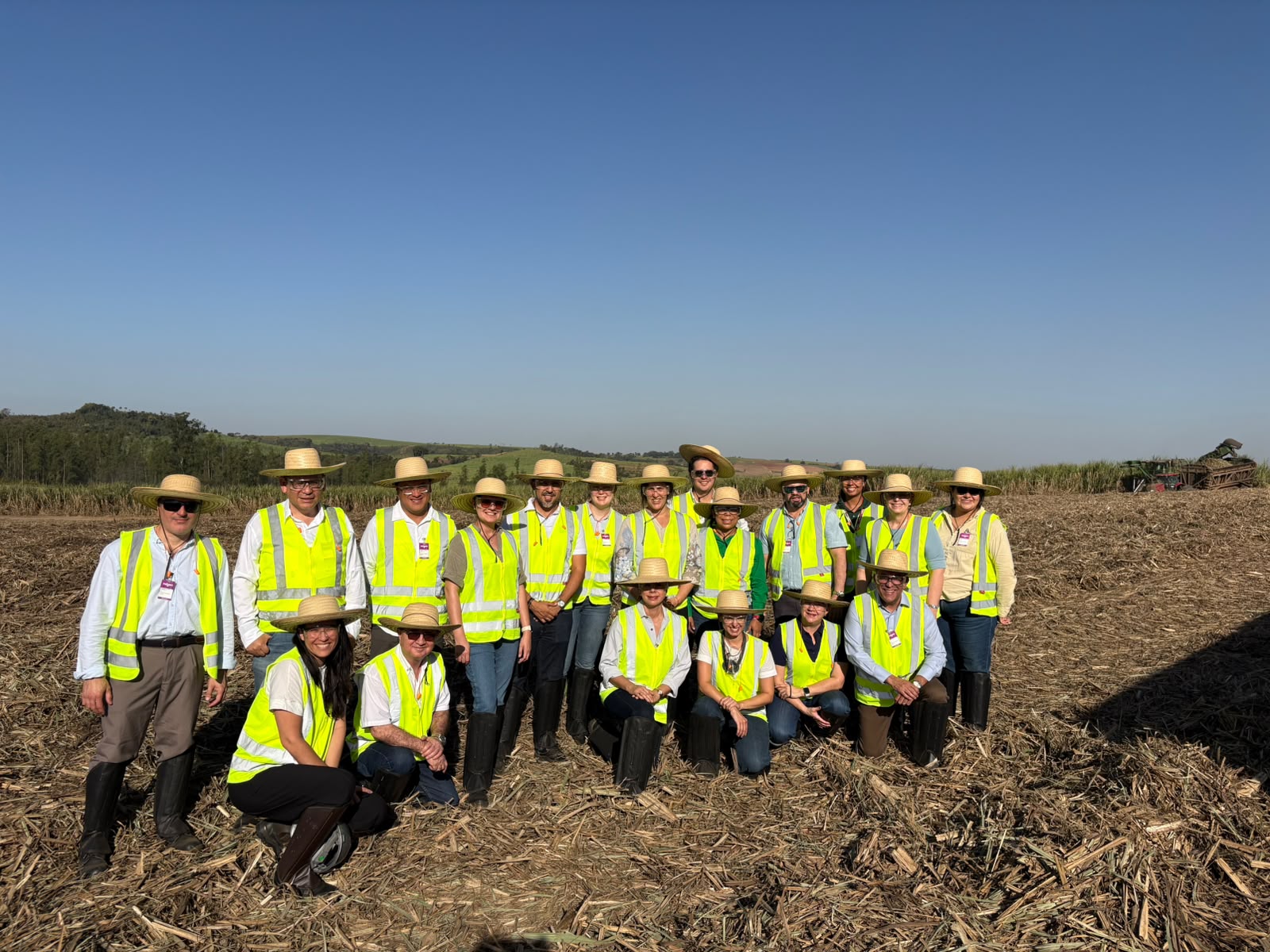
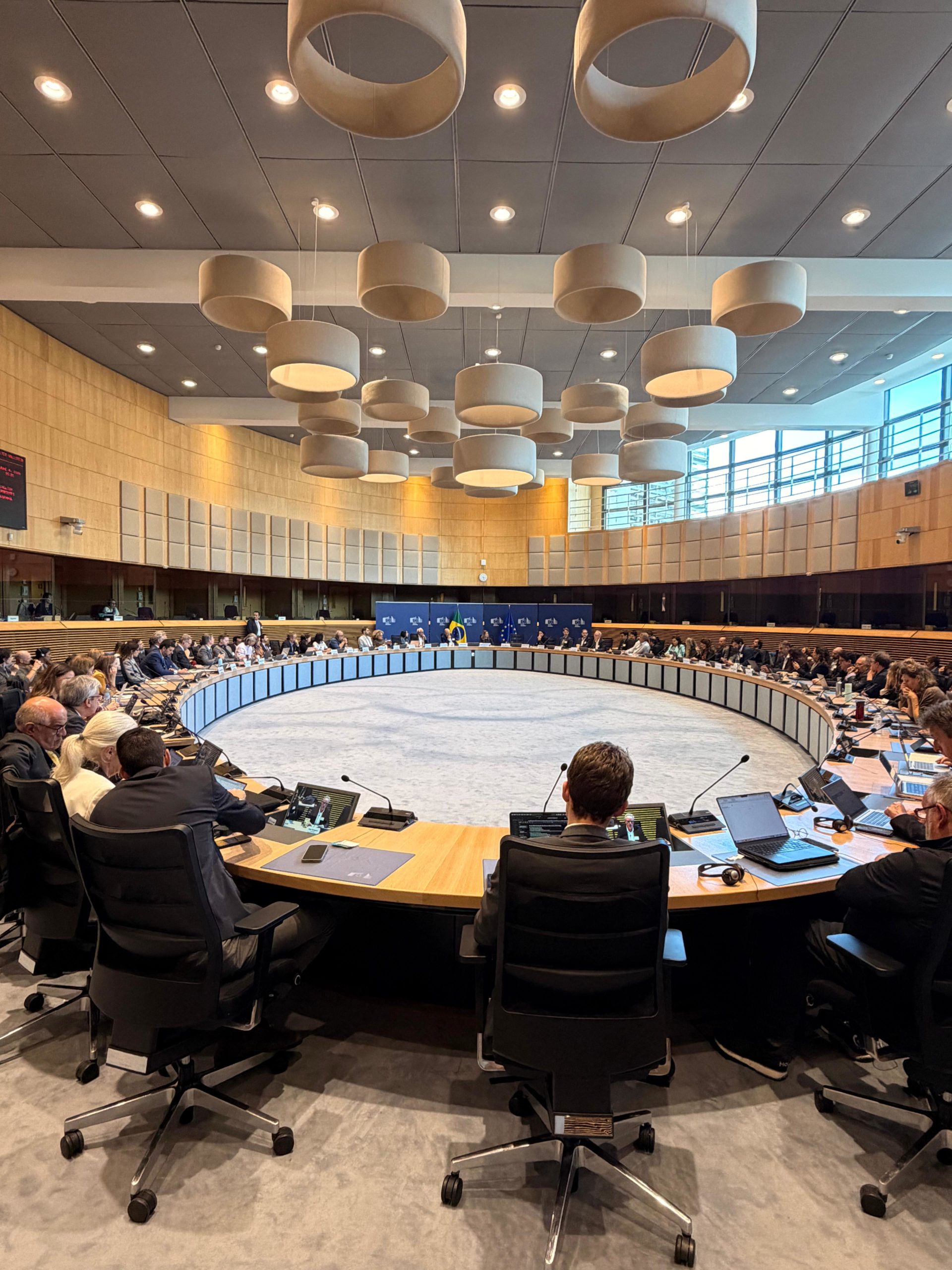
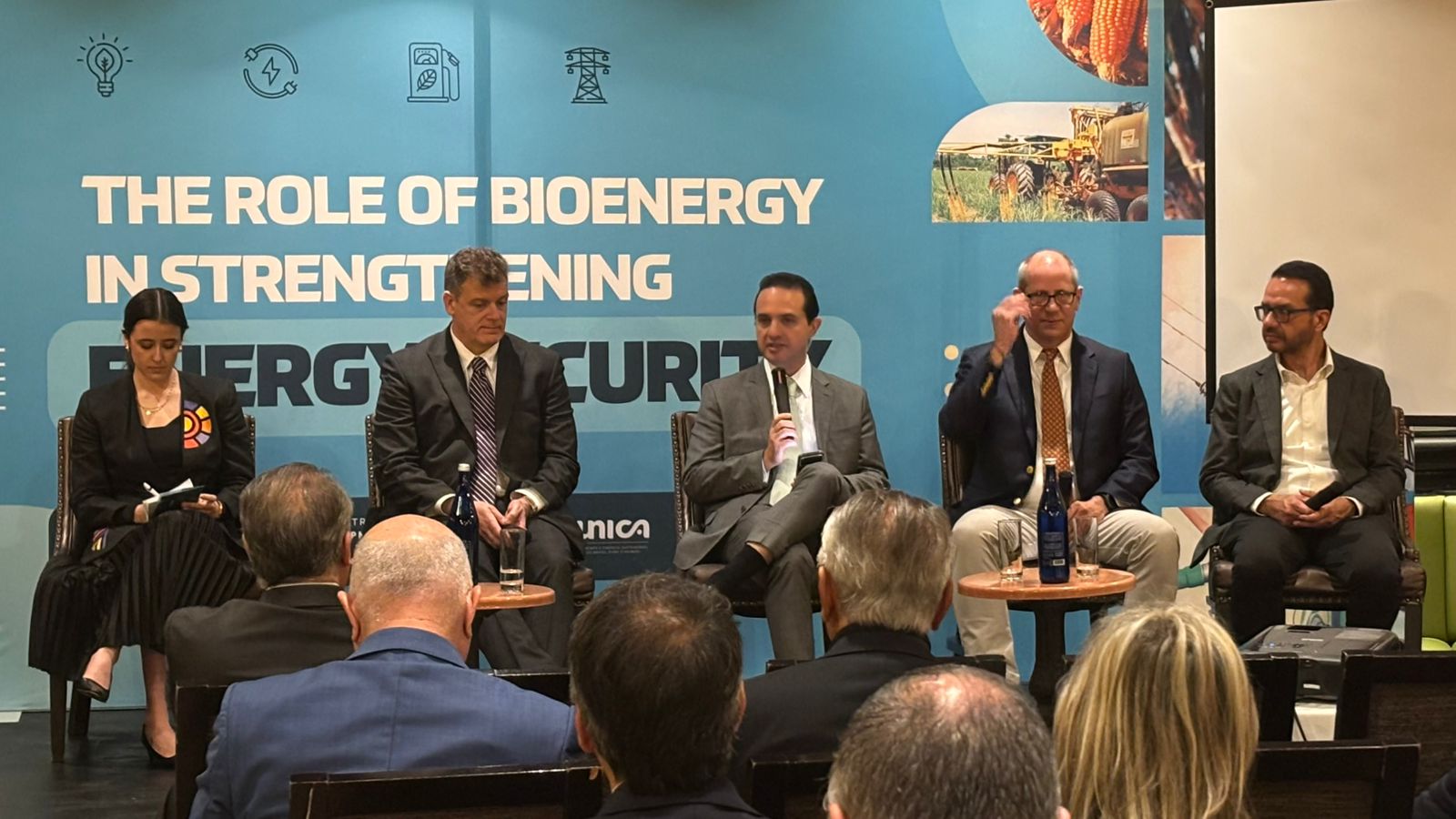
The International Maritime Organization (IMO) is discussing the employment of ethanol as a marine biofuel, with debates growing focus on sustainability certification, supply-chain traceability and responsible production. In this context, the Brazilian Sugarcane and Bioenergy Industry Association (UNICA), in partnership with Brazilian Trade and Investment Promotion Agency (ApexBrasil) and the Brazilian Representation to the International Maritime Organization, and as part of the Sugarcane Ethanol Project, hosted an international technical visit to showcase sustainable practices and technologies supporting Brazil’s biofuel industry.
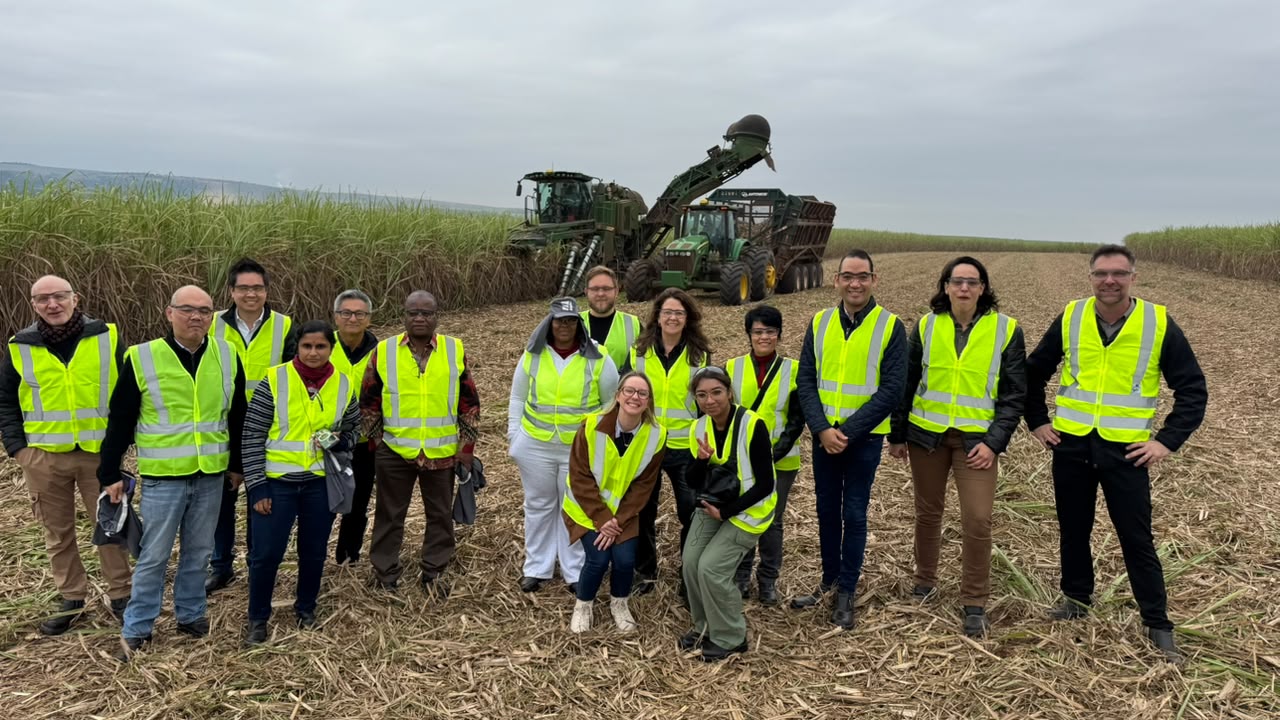
The delegation brought together representatives from several IMO member countries, including France, Denmark, Singapore, Angola, Panama and Mozambique, and visited Brazil from September 7 to 11.
Over the course of the program, participants gained an in-depth view of the country’s biofuel production chain, from agricultural production and industrial processing to research, sustainability and logistics.
It included visits to Usina São Manoel sugarcane mill, in partnership with Copersucar, and FS Fueling Sustainability’s corn ethanol facility, offering participants an opportunity to observe different approaches to ethanol production, sustainability initiatives, agricultural management and the technologies supporting the sector.
The delegation also visited CTC – Centro de Tecnologia Canavieira and the Escola Superior de Agricultura “Luiz de Queiroz” at the University of São Paulo (USP), gaining insights into advances in biotechnology, productivity, and smart land use that support both agricultural efficiency and nature preservation.
Later in the week, the group met with the Port of Santos Authority, gaining a broader discussing logistics, storage and port infrastructure that underpin Brazil’s role in global trade and could support the adoption of lower-carbon marine fuels.
Brazil’s experience in sugarcane and corn ethanol provides an important case study of how established agricultural and industrial systems can contribute to the development of lower-carbon transport solutions.
According to Captain Flavio Mathuiy, Coordinator of the Commission for International Maritime Organization Affairs at the Brazilian Navy, the visit plays an important role in showcasing Brazil’s innovation and sustainability in ethanol production. “This visit is particularly important to showcase our best practices, clarify misconceptions and counter misinformation in statements made by other stakeholders, which can ultimately result in commercial barriers to biofuels,” he said.
International exchanges such as this technical visit can help strengthen dialogue, share knowledge and build a clearer understanding of the opportunities and challenges associated with sustainable marine biofuels.