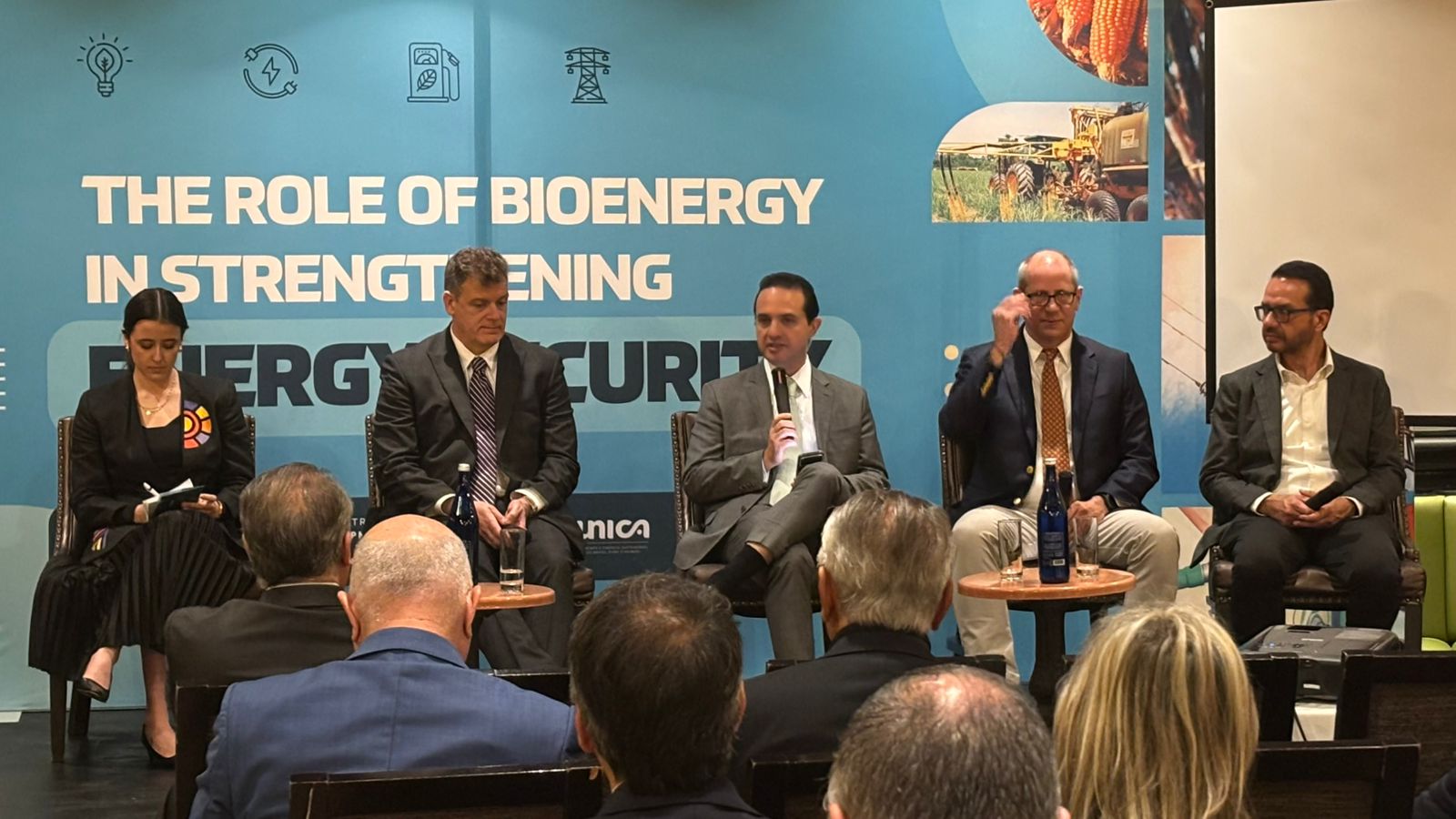
Latin America is a traditional producer of sugarcane and sugar. However, due to pressing challenges of climate change and the urgent need to decarbonize the transport worldwide, several countries of the region are studying to implement or raise the use of ethanol blended in gasoline. With the objective to learn more about Brazil long time and successful experience with ethanol, the Brazilian Sugarcane and Bioenergy Industry Association (UNICA), in partnership with The Association of Latin American Sugar Producers (UNALA) and the Brazilian Trade and Investment Promotion Agency (ApexBrasil), as part of the Sugarcane Ethanol Project, hosted a technical visit from August 17 to 21.
The delegation brought together representatives from the private and public sectors of Colombia, Ecuador, Guatemala, Panama, Peru and Uruguay, creating an opportunity to exchange experiences and discuss ethanol blending programs and their potential contribution to the region’s energy transition.
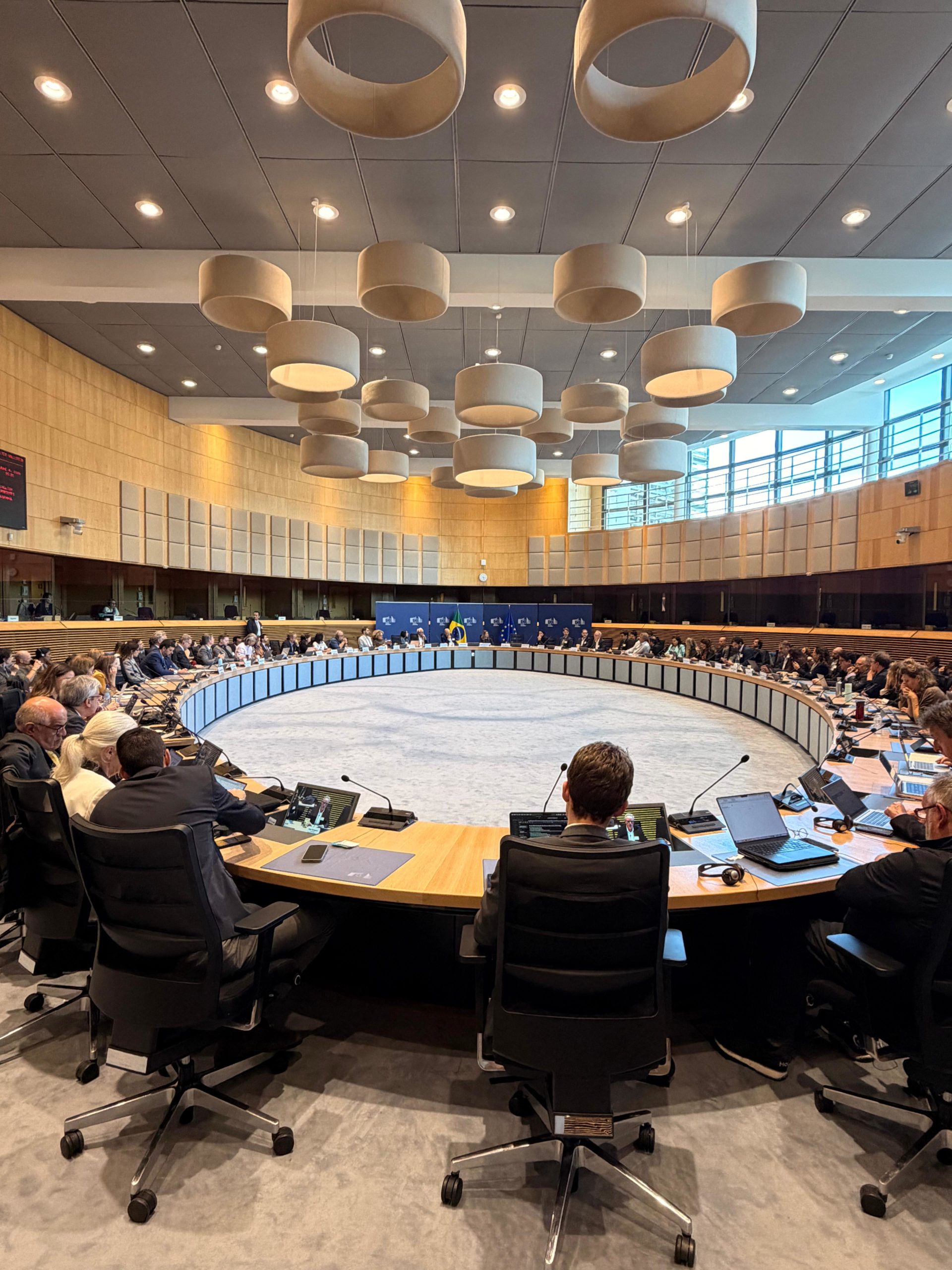
On the first day of the visit in Brasília, the program included meetings at the Ministry of Mines and Energy, with the participation of representatives from the Ministries of Foreign Affairs and Agriculture. The objective was to present how Brazil has, over the decades, built a solid and reliable policy framework that supports ethanol production while also creating demand for the biofuel.
The meeting also explored how public policies can contribute to climate goals through the decarbonization of the transport sector, using RenovaBio as an example of a policy designed to promote the use of biofuels and reduce transport-related emissions.
The delegation also visited the Inter-American Institute for Cooperation on Agriculture (IICA), where participants exchanged experiences on the development of ethanol production and consumption across the region.
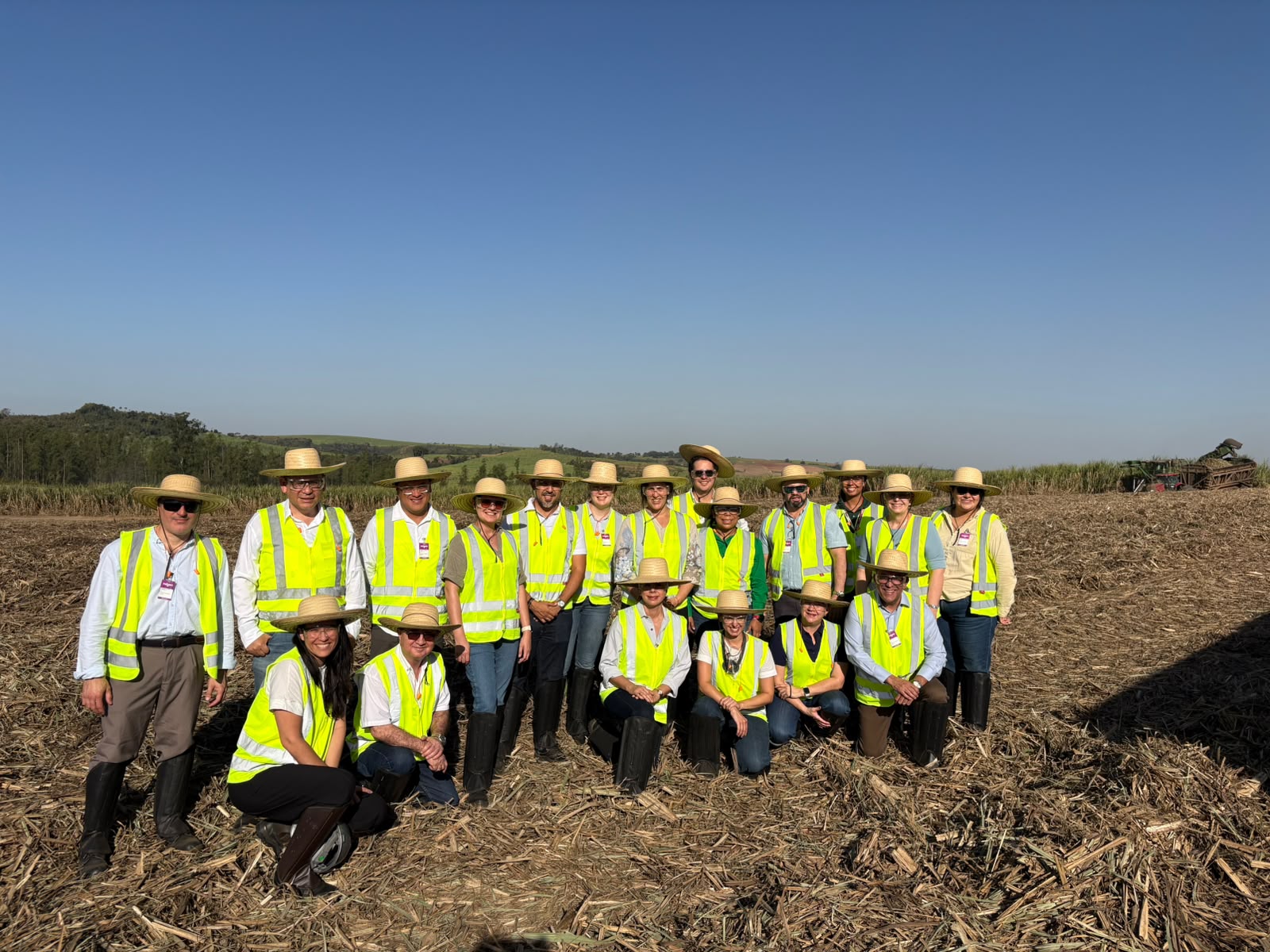
In the following days in São Paulo, participants visited the Brazilian Sugarcane Technology Center (CTC), where they learned more about biotechnology, technological innovation, and efforts to increase productivity while maintaining sustainable agricultural practices. At the Costa Pinto sugarcane mill, the group observed the ethanol production process firsthand and gained a deeper understanding of the agricultural management practices used in Brazil’s sugarcane plantations.
At Toyota’s manufacturing plant in Sorocaba, participants learned more about flex-fuel technology, which is developed and commercialized in Brazil. This technology allows vehicles to run on gasoline, ethanol, or any combination of the two. The group also had the opportunity to test-drive flex-fuel vehicles and experience the technology in practice. Later that day, the delegation visited a fuel distribution center from Raízen, gaining further insight into the logistics involved in supplying biofuels to consumers.
Latin America has great potential to expand the production and use of sustainable biofuels across multiple transport modes, including road, aviation, and maritime transport. Through greater regional cooperation, countries across Latin America can leverage their agricultural resources, technological expertise, and shared experience to advance sustainable biofuel solutions and contribute to global efforts to decarbonize the transport sector.