The questions on the change in carbon storage caused by land use change led to the search for a methodology to estimate carbon storage in sugarcane fields, covering crop features of Brazilian farming system.


The questions on the change in carbon storage caused by land use change led to the search for a methodology to estimate carbon storage in sugarcane fields, covering crop features of Brazilian farming system.

The Brazilian Sugarcane Industry Association (UNICA) welcomes the opportunity to provide specific comments on the August meeting’s documents, which the staff of the California Air Resources Board (CARB) published on August 25, 2011.
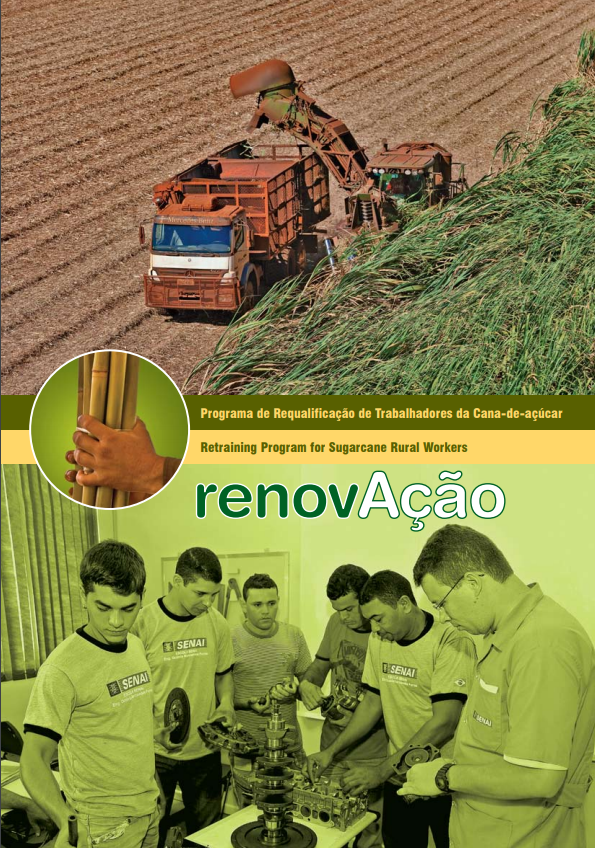
O setor sucroenergético realiza um dos maiores programas do mundo em treinamento e qualificação de cortadores de cana-de-açúcar, seus familiares e membros das comunidades envolvidas, para capacitar mão-de-obra deslocada da queima manual no Estado de São Paulo.

This is the Brazilian Sugarcane Industry Association’s (UNICA) second sustainability report, prepared in accordance with the G3 Guidelines of the Global Reporting Initiative (GRI). As such it constitutes a landmark in the development of the Brazilian sugar-energy sector.
Yesterday’s vote was a symbol of changing times. Politico announced “there are no longer any sacred cows when it come to energy,” while the Wall Street Journal called it “an ethanol miracle.”
Welcome to our first blogpost directly from the 2011 edition of the Ethanol Summit, one of the world’s top events focused on renewable energies, which takes place in São Paulo, Brazil today and tomorrow.
Today was an exciting and enriching debate surrounding solutions for a low-carbon economy.
Welcome to our first blogpost directly from the 2011 edition of the Ethanol Summit, one of the world’s top events focused on renewable energies, which takes place in São Paulo, Brazil today and tomorrow.
Today was an exciting and enriching debate surrounding solutions for a low-carbon economy.
In yet another sign of mounting support for ethanol reform, news broke last night of a fresh bipartisan effort to end the tariff on imported ethanol and the ethanol subsidy that costs taxpayers $6 billion per year. Senators Dianne Feinstein (D-CA) and Tom Coburn (R-OK) introduced an amendment to the small business bill that would sunset both policies less than two months from today.
Rising ethanol prices at the pump in Brazil have caused consumption of the renewable fuel to plunge in recent weeks, as drivers replace it with gasoline in their flex-fuel vehicles throughout the country. With simultaneously rising food prices come several accusations, some true, others false. The facts must be carefully analyzed.

The global financial crisis of 2008 barely grazed the Brazilian economy and may have been little more than a slight jolt for certain industries and areas of activity. But those that had been expanding with sizeable investments, like the sugarcane industry, were affected much more drastically by the dramatic loss of liquidity that year.